Most Toxic Clash Royale Emotes Ranked
Discover the most toxic Clash Royale emotes players use to tilt opponents. Ranked list, meanings, and when players spam them.
Table of Contents
You’ve seen it: a stolen tower, then the Goblin Laugh on repeat. Some emotes sting more because of timing, not art—Laughing King, Thumbs Down, and Crying King turn small mistakes into a spotlight. Yawning Princess adds passive-aggressive salt, and rare ones like Little Prince Crying crank up the pressure. But are the emotes toxic, or the intent behind them? Here’s how they stack up—and how to handle them without tilting.
What Makes an Emote Toxic in Clash Royale?
Although every emote can be playful, it turns toxic when timing, intent, and repetition collide. You feel it when an opponent spams right after a lucky tower steal or a last‑second counterpush, weaponizing a harmless animation. Context shapes your reaction: classic King Laughing or Goblin Laughing may seem stale, yet they still sting when rubbed in after a narrow loss.
Reputation matters too. Goblin Tongue, Pig Dancing, and Skeleton Crying often read as mockery, while rare or limited emotes—like Little Prince Crying—broadcast status and deliberate provocation. Spam magnifies impact, so even fun emotes become the most annoying Clash Royale emotes under pressure. Community norms, cooldowns, and availability influence toxic emotes Clash Royale trends and the most toxic Clash Royale emotes you’ll note on any Clash Royale emote tier list.
Most Toxic Clash Royale Emotes
You know the usual suspects: the Laughing King, Crying King, Yawning Princess, Thumbs Down King, and Goblin Laugh. You’ll feel their sting most when an opponent times them after a misplay or a last-second tower swing, especially with spam. Let’s rank how each one tilts you and why some have lost bite while others still ruin your focus.
Laughing King Emote
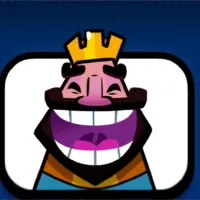
Often the first emote that comes to mind when toxicity is mentioned, the King Laughing sits atop nearly every community tierlist for ragebait. If you’re browsing any clash royale toxic emotes list or reading clash royale emotes ranked threads, you’ll see it crowned. Among toxic king emotes clash royale offers, this one’s the classic—an original taunt that everyone recognizes instantly.
You’ve felt it: a spammed laugh right after your misdrop, a last-second tower steal, or a clutch defense that flips the game. Its timing weaponizes your tilt, especially in tight matches. Community posts routinely blame it for driving players to uninstall. Yet long-time players often build immunity; after years, the sting fades. Still, when someone chains it after your blunder, the psychological punch lands.
Crying King Emote
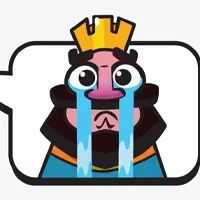
Rarely does an emote needle players as sharply as the Crying King, a dramatic sob that’s spammed to mock misplays and seal tilt after a last-second tower take. You’ve felt it: that exaggerated wail floods the chat the moment you drop a misclick or lose a tower by two HP. It’s a classic taunt because it’s simple, loud, and repeatable.
You’ll see it ranked near the top of toxic emotes for good reason. Players use it to frame your blunder as a joke, baiting rage with every sob. Veterans often grow numb after repeated exposure, but newer or less tolerant players still react strongly. Combine it with a game-winning push, deliberate delay, or spam, and you’ve got pure ragebait—unsportsmanlike, unmistakable, and unmistakably effective.
Yawning Princess Emote
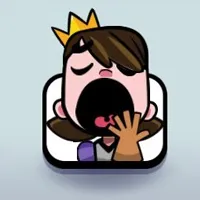
If the Crying King shouts your mistake, the Yawning Princess shrugs it off. You feel it most after overtime marathons—your tower clings to 30 HP, and instead of a cheer, you get a dainty yawn. That tiny hand-over-mouth says, “You bored me,” and it stings more than gloating.
Players favor this emote as a post-win taunt in clutch finishes because it’s passive-aggressive. It dismisses your effort without sounding hostile, which makes it uniquely grating. Community rankings push it near the top of toxic emotes for that exact reason: it punctuates a razor-thin victory with indifference, not celebration.
Worse, spamming it multiplies the annoyance. One yawn feels snide; repeated yawns feel like a slow clap. Use it sparingly, or expect instant mute and lingering salt.
Thumbs Down King Emote
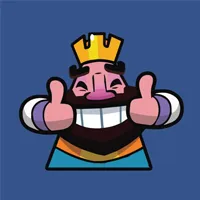
Drop a Thumbs Down King at the right moment and you’ll watch tilt blossom in real time. The gesture’s blunt negativity makes it the community’s poster child for salt. You know exactly what it means, and so does your opponent: “You failed.” Spam it after a tower take or a last-second win, and you’ll multiply the sting.
Players consistently rank this emote near the top of toxic tier lists because its meaning is unmistakable and its timing is weaponized. Many report stronger reactions to it than anything else—some even uninstall for a cooldown after repeated spam. Use it after a clean counterplay or a narrow victory, and it lands like an insult. It’s simple, direct, and devastating, especially when you delay it for maximum mockery.
Goblin Laugh Emote
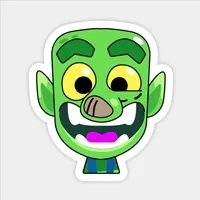
Coming off the Thumbs Down King’s blunt negativity, the Goblin Laugh hits with a snickering sting that’s almost as tilting. You know it’s coming: a clutch defense, your push fizzles, and bam—the goblin’s cackle fills the screen. It’s ranked near the top for toxicity because players spam it after a tower take or last-second counter, weaponizing timing more than the emote itself.
You’ve probably felt how it pokes at your focus. It’s slightly less rage-inducing than King Laughing, but it’s still a go-to provoke. Community tierlists consistently drag it, often pairing it with Goblin Boohoo as a toxic duo. Spam it and you’ll tilt opponents; eat it and you might tilt yourself. Either way, its snicker lingers, souring the match’s finish.
Chicken Emote
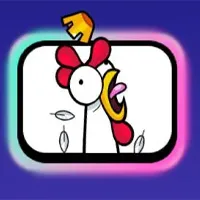
You notice a pattern: players who mash random troops often mash Chicken too. During chaotic bridge fights or last-second counterpushes, that relentless clucking magnifies confusion and frustration. Community tierlists echo it—Chicken sits high on the annoyance meter precisely because it’s ubiquitous and repeatable. When it floods your screen mid-tilt, you’re tempted to mute, rope, or even surrender. If you want composure, preemptively mute and punish overcommitments.
Why Players Use Toxic Emotes
Even if it starts as harmless banter, players lean on toxic emotes to grab a mental edge, rattle opponents, and savor momentum swings. You’ve seen King Laughing or Goblin Laughing after a clutch tower steal—simple gloating that aims to tilt you mid-push. Spamming King Crying or Goblin Tongue right after a misplay acts like griefing, piling on when you’re vulnerable. Rare emotes, like Little Prince Crying, add status flexing; their scarcity amplifies the sting. And timing-specific choices—Pig Dancing during a PEKKA kite or Balloon/Inferno clicks after a snipe—turn pressure into distraction.
1) You tilt, miscycle, and donate elixir.
2) They control pace by celebrating every swing.
3) Status emotes say, “I’ve been here.”
4) Repetition reframes any emote as toxic.
How to Respond to Toxic Emotes (Mute & Mindset Tips)
While emote spam can feel personal, treat it like background noise and take control fast. Hit the emote mute as the match starts or the moment spamming begins; you’ll block every emote for that battle and protect your focus. If a player repeatedly targets you, report them via the three-dot menu on their profile—repeat offenders often face action.
Anchor your mind to one task: count elixir, track rotation, or cycle to your win condition. Don’t retaliate with emotes or messages; it escalates tilt and hurts performance. After each match, do a quick reset: deep breath, 10 seconds, replay the last mistake, then queue.
| Trigger | Immediate Action | Mindset Cue |
|---|---|---|
| Spam starts | Mute emotes | Play your plan |
| Lucky steal | Count elixir | Stay disciplined |
| Mock timing | Focus cycle | Ignore noise |
| Repeat offender | Report | Don’t engage |
| Post-match tilt | 10s reset | Next game clean |
Are Toxic Emotes Pay-to-Win or Cosmetic?
So are “toxic” emotes pay-to-win or just cosmetic? They’re cosmetic. You can buy them in the shop or via seasonal passes, but they don’t change mechanics, stats, or card levels. That said, you might feel a psychological sting when someone spams Goblin Laughing or the King’s cackle after a misplay. You’re not losing to emotes—you’re losing focus. Spending unlocks variety, not power.
Emotes are cosmetic, not pay-to-win—tilt beats you, not their Goblin giggles.
Here’s how it plays out:
- You see a rare emote (like Little Prince Crying) and feel social pressure, but your deck remains identical.
- An opponent tilts you with spam; the only damage comes from your own misplays.
- Microtransactions expand your emote library, not your win conditions.
- Muting, reports, and norms curb abuse, limiting any competitive impact.
Frequently Asked Questions
Which Emotes Are Regionally Considered Most Toxic by Player Communities?
You’ll see the Laughing King, Thumbs Up, Crying King, “Good Game,” Chicken, and Goblin Laugh rated most toxic worldwide. In LATAM, Clap and Laugh dominate; in Asia, Goblin Laugh and Thumbs Up sting; Europe favors Crying and BM “Thanks.”
Do Pro Players Use Toxic Emotes on Tournament Streams?
Yes—some do, but most don’t. You’ll see occasional laughs or BM for mind games, hype, or branding. You should expect stricter etiquette: organizers, sponsors, and chat scrutiny discourage spam, excessive taunting, and repeated delay-emote theatrics.
Can Emote Toxicity Lead to Reports or Penalties in Clash Royale?
Yes. You can be reported for abusive emote behavior, especially repeated spamming or harassment. Supercell reviews patterns, mutes, and chat bans first; severe or persistent toxicity risks temporary suspensions. Use the mute button, pace reactions, and respect opponents.
Are There Clan Etiquette Rules About Emote Spam During Wars?
Yes. Most clans expect respectful emote use during wars. You shouldn’t spam, mock, or distract teammates in friendly prep. Follow clan rules, mirror leadership tone, mute if tempted, and use emotes sparingly—celebrate wins, acknowledge mistakes, and keep morale high.
How Do Emote Cooldowns or Limits Affect Perceived Toxicity?
They reduce perceived toxicity by throttling spam, but you’ll still feel targeted when timing’s perfect. You interpret fewer, better-timed emotes as intentional. Cooldowns curb flood, amplify meaning, and make each laugh, cry, or clap land harder—especially after swingy plays.
Conclusion
You’ve seen how timing, repetition, and intent turn simple animations into tilt machines. Now you know which emotes get abused most, why players spam them, and how to protect your focus with mute, report, and a resilient mindset. Use emotes for fun or strategy, not to spiral. Remember, they’re cosmetic—not power. If someone tries to farm your attention, don’t feed them. Play your plan, secure your crowns, and let your gameplay do the talking.